Reef & Rod earns a commission when you book through our Viator links, at no extra cost to you. We only link to experiences relevant to the topic on this page.
Start with the format
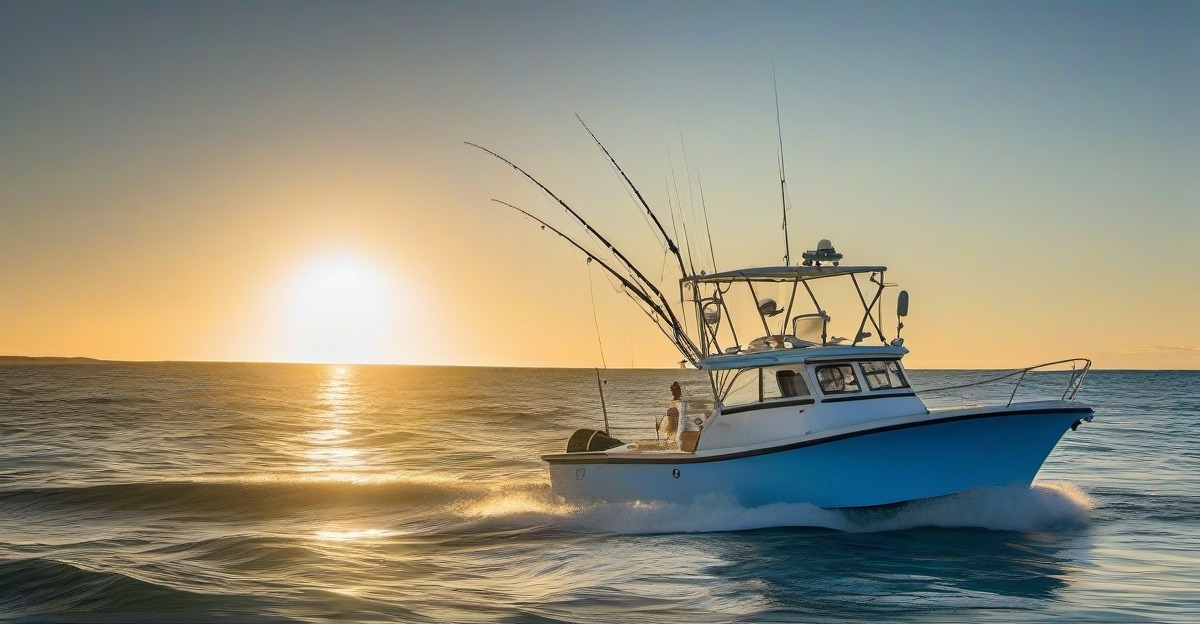
Booking a Spanish mackerel charter is really a decision about how far you want to run and how the boat fishes once it gets there. These are not estuary fish. A serious mackerel session usually means trolling ribbon baits or high-speed spinning over headlands, bommies, and shoals in blue water, and that dictates the size of vessel and the length of the day. A half-day out of a coastal town might get you onto school mackerel and the odd spaniard close in, but the reliable doggie and Spanish mackerel grounds off Cairns and Townsville often sit 30 to 60 kilometres out.
Ask yourself who is coming. A day chasing spaniards on the troll is patient work punctuated by short, violent action, which suits keen anglers more than restless kids. On my last Townsville trip we ran nearly two hours before the first spread went out, and one bloke in our group who wanted constant bites would have been happier on a bottom-bashing reef day. Match the format to the temperament of the people, not the photos on the listing.
Expect to pay roughly AUD $220 to $320 per person for a shared day charter, more if it is a smaller sportfishing boat with only four or five spots.
What the water changes
Spanish mackerel are pelagic hunters that follow bait, and bait follows current, temperature, and clean water. That is why the same reef can fire one week and go dead the next. A run of dirty water after heavy rain pushes the schools out wider, and a green tide line where clean and murky water meet is often where the fish stack up. Good skippers read this constantly, watching sounder marks and bird activity rather than just steaming to a marked spot.
Tide matters more than people expect. I have had my best spaniard sessions on the top of a making tide with strong current running across a shoal, when the bait balls get pinned and the mackerel come up to feed. Slack water often means slow fishing, so a skipper who plans the run around the tide is worth paying for.
Species and timing
The Spanish mackerel run in North Queensland is a spring and early summer event. September through December is the window I plan around, with October and November usually the peak as the water warms and the spawning aggregations build. Outside that, you will still catch school mackerel, spot-tail, and doggie mackerel, but the big spaniards over 15 kilos thin out.
Down south the timing shifts. Around the central and southern Queensland headlands and into northern New South Wales, the better mackerel fishing often lands in the March to May shoulder, riging off the tail of summer. Always ask the operator what is actually running the week you book rather than trusting a generic season chart.
Equipment and comfort
Mackerel gear is specific, and this is where a good charter earns its keep. Spaniards have a mouth full of blades, so wire trace is non-negotiable. Most operators troll ribbon baits or gar rigged behind a chin guard, or run hardbodies like the Halco Laser Pro 190 at four to six knots. For spinning, expect 8000 to 10000 size reels loaded with 30 to 50 pound braid and a short single-strand wire bite trace. If the boat is handing you 15 pound gear for spaniards, that is a red flag.
One mistake I made early on was bringing my own light snapper outfit thinking I would show off. A fish around 18 kilos smoked it and bit clean through the leader in about three seconds. Now I use what the deckie recommends and save my ego.
Questions to ask before you pay
Before I hand over a deposit, I ask what the target actually is that week, because "mackerel charter" can mean anything from close-in school macks to a serious run at big spaniards. I ask how far the boat runs and how much of the quoted time is travel versus lines-in. A "full day" that includes four hours of steaming is a very different trip to one fishing grounds 20 minutes out.
Find out the tackle and trace situation, whether they supply the wire and lures, and what happens with your catch. Reputable operators will fillet and bag a feed for you and release the rest, and they will know the size and possession limits cold. Ask about the weather policy too: mackerel grounds are exposed, and a 20 knot southeasterly can cancel a run. A good operator reschedules or refunds rather than pushing out into slop.
Group size is the last one. I always ask how many rods will be fishing, because six anglers trolling four rods is fine, but ten people crammed on the same spread means you spend more time waiting than fishing.
My practical verdict
Choose the trip that matches your real priority, not the listing with the biggest fish in the header photo. If you want the best shot at a genuine trophy spaniard, book the peak weeks of October and November, go with an operator willing to run to clean water, and accept that a slow morning is part of the deal. If you want a broader day where the whole family stays entertained, a mixed reef-and-troll format is the smarter pick.
Fishing is an outdoor activity with variable results. Ask direct questions, book the format that suits your group, and treat any listing as a starting point rather than a promise. Get the water, the timing, and the gear right, and a spaniard peeling line off a screaming reel will do the rest.
Explore More
Related guides and comparisons:
Blending a Mackerel Trip with a Reef Day
If you’ve got a mixed crew – some dead keen on trolling for spaniards, others who’d rather be in the water than on it – you don’t have to split the holiday. The same waters that hold Spanish mackerel off Cairns also hold some of the best snorkelling and diving on the planet. A few operators run full-day and overnight trips that let you combine serious reef time with the chance to see the sort of structure that holds pelagics.
Divers Den, for instance, runs a full-day trip from Cairns to Norman, Saxon, or Hastings reefs – about 90 minutes out. Their modern vessel, AquaQuest, gets you onto two exclusive reef sites where you’ll hit coral gardens, turtles, and stingrays. That’s the kind of ground where mackerel push bait up against the reef edges. While you’re snorkelling or doing an introductory dive, keep an eye on the horizon. If you see birds working or surface action, that’s where the spaniards are hunting.
For those who want more than a day, the OceanQuest liveaboard is a 35-metre, three-deck catamaran purpose-built for overnight reef trips from Cairns. You get air-conditioned cabins with ensuites, a lounge bar, and the ability to hit prime outer reef sites at first and last light – exactly when mackerel feed hardest. The 2-day twin-share setup means you can snorkel through the day and still talk mackerel tactics with the crew over a cold beer at night.
If you prefer a smaller, more intimate group, the Coral Sea Dreaming takes just 12 passengers on a 2-day sail, dive, and snorkel combo from Cairns. With skilled instructors running both introductory and certified dives, it’s a good option for anglers who want to bring a non-fishing partner. While you’re scanning for mackerel boils, they’re exploring bommies and drop-offs that hold the same bait schools the spaniards follow.
What to Bring When You’re Splitting Your Time
If you’re booking a reef trip that also puts you near mackerel grounds, pack for both worlds:
- Polarised sunglasses – not just for glare. You’ll spot bait schools, tide lines, and surface activity much earlier, whether you’re on the deck or snorkelling.
- A light spray jacket or long-sleeve rashie – the tropical sun is brutal, but a light layer stops you burning when you’re standing on the bow watching for birds.
- Non-marking reef shoes – some liveaboards and day boats require them for walking on reef flats or boarding tenders.
- Your own mask if you have one – rental gear works, but a good fit means you spend more time looking at fish and less time clearing water.
- A small dry bag – for keys, phone, and wallet. The splash zone on a mackerel boat is real, and saltwater kills electronics fast.
Frequently Asked Questions
Can I fish for Spanish mackerel on the same trip as snorkelling?
Not on the same vessel, usually. Most dedicated reef tour boats like Divers Den or the Frankland Islands cruises focus on snorkelling, diving, and island time – they don’t carry fishing gear or have deck space for trolling. But the waters they visit are the same ones mackerel migrate through. If you want both, book a separate mackerel charter one day and a reef trip the next. Or choose a liveaboard like OceanQuest that lets you explore reef sites over two days, then organise a half-day mackerel charter on your return.
What’s the best time of year to combine a reef trip with mackerel fishing off Cairns?
September through December is prime Spanish mackerel season in North Queensland, and it’s also excellent for reef trips – the water is warm, clear, and calm. October and November are the peak. If you’re booking a full-day reef tour with Divers Den or the Frankland Islands cruise during these months, you’ll likely see mackerel activity around the reef edges even if you’re not fishing. The Frankland Islands, in particular, host 200 coral species and are a known turtle habitat, which attracts the baitfish that bring spaniards in close.
Are overnight reef trips worth it for anglers?
Yes, if you want to fish the tide changes. A 2-day liveaboard like OceanQuest or Coral Sea Dreaming puts you on the reef at dawn and dusk – the windows when mackerel feed hardest. You also get access to outer reef sites that day-trippers don’t reach. The trade-off is that you won’t be fishing from the boat itself; these are snorkel-and-dive operations. But the crew on these vessels know the local grounds well and can point out where the mackerel are likely holding.
What’s included in a typical full-day reef trip from Cairns?
Most include breakfast and lunch, snorkel gear, and access to two reef sites. The “Best Value All-inclusive” trip, for example, starts with a bacon and egg roll, includes a BBQ lunch, and finishes with crackers, cheese, and a glass of wine on the return cruise. A 20-minute introductory dive or 40-minute certified dive is also included, subject to medical clearance. The Frankland Islands tour is the only one allowed to land on Normanby Island, giving you beach time between snorkels. None of these trips include fishing gear or mackerel trolling – they’re purely reef experiences.
Blending a Mackerel Charter with a Reef Trip
If you're coming up to Cairns or Townsville with a mixed group — some keen to tangle with a spaniard, others happy to float over coral — you don't have to choose one or the other. A few operators run trips that give you genuine reef time alongside the offshore pelagic action. The key is reading the fine print on what "reef" actually means on the day.
Take the full-day reef tours out of Cairns. Vessels like Divers Den's AquaQuest hit Norman, Saxon, or Hastings Reefs — about 90 minutes from the marina. These are proper outer reef sites, not inshore rubble. You're looking at hard corals, turtles, stingrays, and the kind of structure that holds baitfish and, in turn, draws mackerel through the area. If you're on a charter that works these grounds, the skipper will often troll the edges of the reef before dropping anchor for a snorkel or dive session. It's a smart way to split the day: run the lures along the drop-off first light, then let the non-fishing crew enjoy the coral while you keep a rod handy for any surface action.
For the serious angler who wants both, the overnight liveaboard options are worth a look. OceanQuest runs a 35-metre, three-deck catamaran that spends two days and a night on the outer reef. That extra time means you can fish the tide changes — the top of the making tide I mentioned earlier — and still have hours to snorkel the bommies when the fishing goes quiet. The boat has air-conditioned cabins with ensuites, so you're not sleeping on a deck after a long day. Likewise, the Coral Sea Dreaming trip limits to just 12 passengers, which gives you a much more personalised setup. On a small boat like that, the skipper can work you into mackerel ground that the big day-trippers can't access.
What to Pack for a Mackerel Day That Could Go Anywhere
I've seen blokes turn up in board shorts and thongs for a 50-kilometre run to the shelf. Don't be that bloke. Even in the peak of a North Queensland summer, the breeze at 25 knots across the deck cuts through wet clothes fast. Here's what I carry and what I tell my clients to bring:
- A quality buff or cap with a neck flap. The sun reflects off the water hard, and you're staring into it watching for bird action. Sunstroke ends a trip faster than any gear failure.
- Polarised sunglasses. Not just for comfort — you need to see the colour change where a tide line meets clean water, and spot the surface boils before the skipper calls them out.
- A light spray jacket or windbreaker. The ride out is often wet from spray, and the cabin AC on boats like AquaQuest can be chilly if you're sitting in wet clothes between runs.
- Reef-safe sunscreen and a rashie. You'll be reaching over the side to grab a leader, and that exposes your forearms for hours. Slip, slop, slap is not a joke on the Barrier Reef.
- A small dry bag for your phone and wallet. Most modern boats have dry storage, but you don't want your licence or cash soaked when you're buying a beer at the end of the day.
- Your own leader material and a few pre-tied rigs. Charter boats supply terminal tackle, but I like having a spool of 80-pound fluorocarbon and a couple of wire traces in my bag. If the spaniards are slashing through a bait ball, you don't want to waste time tying knots.
FAQ: Common Questions from Blokes Booking Mackerel Trips
Can I take my own rods on a reef tour that also fishes?
Most full-day reef operators like Divers Den allow you to bring your own gear, but check when you book. The key is keeping it out of the way during snorkel and dive rotations. A two-piece 7-foot spin rod in a rod tube stows easily. Avoid heavy trolling gear unless the charter specifically advertises game fishing.
What if the swell is up on the outer reef?
The 35-metre catamarans handle a 2-metre swell comfortably, but the smaller sportfishing boats will feel it. If you're prone to seasickness, take motion sickness tablets the night before and again in the morning. The run to the outer reef sites from Cairns is about 90 minutes — long enough to get crook if you're not prepared. Stick to the back deck and keep your eyes on the horizon, not the deck.
Are the Frankland Islands any good for mackerel?
The Frankland Islands trip is the only commercial tour allowed to land on Normanby Island, and it's a different proposition to the outer reef. The water is clearer inshore there, and while you won't get the big ocean-running spaniards, school mackerel and spot-tail work the edges of the reef around Mabel Island. The coral diversity is excellent — over 200 species — and you'll see green turtles and hawksbills regularly. It's a better option if your group includes families or less experienced anglers who want a relaxed day with some fishing on the side.
What time of year do the overnight trips run best for mackerel?
For the liveaboard options out of Cairns — OceanQuest and Coral Sea Dreaming — the spring window from September to December is prime for Spanish mackerel. The overnight format lets you fish the dawn and dusk bites, which are often the most productive. Outside that window, you'll still find school mackerel and doggies, but the big spaniards have usually pushed wider or moved south. If you're booking in March or April, ask the operator if they're targeting mackerel specifically or running a general reef trip.