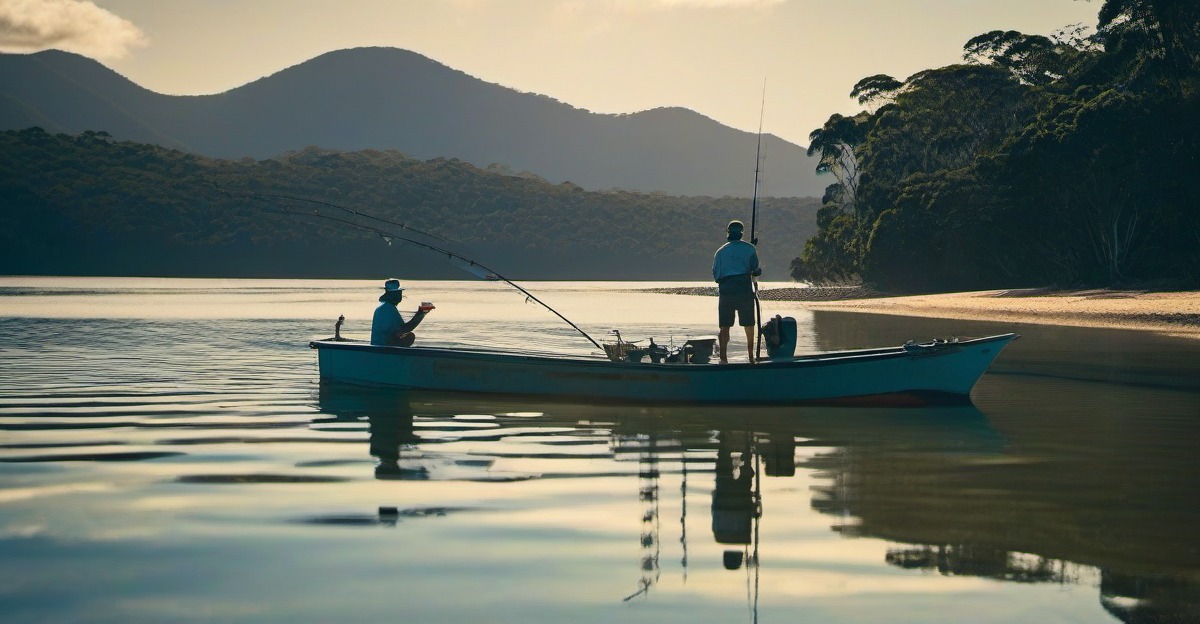
Barramundi Is Not Reef Fishing or Estuary Fishing
I need to start with the category mistake because it causes more bad bookings than anything else on this site. Barramundi fishing is not reef fishing, and it is not the same as a short estuary trip out of Cairns. The target fish is the same species in some cases, but the water, the tackle, the travel, and the way you spend the day are completely different.
you want guaranteed action, barramundi are notoriously finicky. Even during peak season, you can go hours without a bite. Reef fishing charters are more consistent for first-timers who want steady catches.
Reef fishing means a long run offshore, deep water, heavy bottom rigs, and species such as coral trout, nannygai, and red emperor. You are not casting a lure at a tree line. Estuary fishing means tidal saltwater around Trinity Inlet, river mouths, and creeks close to Cairns. A half-day estuary charter may target barramundi in season alongside mangrove jack, fingermark, queenfish, and grunter. That is a useful option for a short trip, but it is not a dedicated barramundi expedition.
Dedicated barra fishing is built around finding one fish in the right freshwater impoundment or wild river at the right stage of the tide. You may spend hours casting, changing retrieve speed, and working a single piece of structure. The strike can be sudden and violent. The fish can also ignore you all day. That is part of the deal. If your idea of fishing is dropping bait over the side and waiting for a mixed bag, book reef or estuary instead.
The Two Cairns Barra Destinations
For visitors basing themselves in Cairns, two destinations matter most: Lake Tinaroo and the Daintree River. They produce different kinds of fishing, and choosing between them is more important than comparing small differences in charter price.
Lake Tinaroo: Stocked Water and Big Fish
Lake Tinaroo is the freshwater impoundment option on the Atherton Tablelands. The lake is stocked by the Cairns Sportfishing Club, which is a major reason it has become the best-known destination for visitors chasing a serious barramundi. It holds big fish, and the record stories are not marketing fluff. The biggest barramundi pulled from Lake Tinaroo has been recorded at 44.6 kg.
That number does not mean every visitor should expect a fish anywhere near that size. Most charters are working toward a barramundi in the 80 to 100 cm range, which is already a memorable fish on lure tackle. Tinaroo gives you a genuine chance at a metre-plus barra, but chance is the important word. Water temperature, wind, barometric changes, lure choice, and the fish's mood all matter. A good guide improves your odds and keeps putting casts in front of fish. They cannot make a wild animal eat.
Tinaroo suits anglers who want freshwater structure and a focused lure session. Expect drowned timber, weed edges, points, drop-offs, and long stretches where the guide is quietly watching the sounder and positioning the boat. The lake is not a sightseeing cruise. Wear a hat, bring water, and be prepared to cast repeatedly. A strong baitcaster and a clean retrieve matter more here than a large tackle box full of random lures.
Daintree River: Wild Fish, Seasons, and Tides
The Daintree River is a different proposition. These are wild fish in a tidal river system, and the trip depends heavily on tide, rainfall, water clarity, bait movement, and the time of year. You are working snags, drains, creek mouths, bends, rock bars, and other ambush points. The river can be more visually interesting than a lake, but it can also be less predictable.
Daintree barra fishing is seasonal and tide-dependent. Your guide may plan the run around a change of tide and move between likely holding water as the light changes. Freshwater runoff after heavy rain can alter the river quickly. A falling tide can pull bait out of a creek and bring a fish into position, while a slack may require patience. This is wild-river fishing, not a guaranteed photo stop.
A Daintree trip can also combine barramundi with other estuary species, particularly mangrove jack and fingermark. That mixed target list is not a weakness. It reflects how the river actually fishes. If you want the best chance of a fish on a half-day trip, an estuary charter that targets barra in season may make more sense than insisting on a pure barra itinerary.
The Closed Season You Must Know
The barramundi closed season runs from November 1 to February 1. During that , catch and release only applies. You cannot plan a trip around bringing a barra home during the closed season. The rule protects spawning fish, and every visitor needs to understand it before paying for a boat, accommodation, or travel.
If a charter operator tells you they can get you a keep barra in December, they are lying. Walk away. A legitimate operator will explain the closed season, tell you what catch and release means for the trip, and make sure the booking matches the current Queensland rules. Do not rely on an old blog post or a social media comment. Ask the guide about the dates for your exact trip, especially if you are close to November 1 or February 1, because fisheries rules and boundaries can change.
The closed season does not mean you cannot fish in Cairns between those dates. Reef fishing remains a separate option, and estuary charters can still target other species. An estuary trip may target barra in a catch and release format alongside jack and fingermark, depending on the water and current regulations. The important point is that a closed season changes what you can keep, not just what a website calls the trip.
When to Book Lake Tinaroo
If you want a metre-plus barramundi, book Tinaroo in October. Water is warming up, aggressive fish are active, and October is the last month before the closed season. That does not turn the booking into a guarantee, but it gives you a sensible combination of warm water and legal timing before the November 1 closure.
October is also a useful month because it forces you to plan rather than arrive with the wrong expectations. Ask the operator how much of the day is spent casting, what size fish have been showing, whether the trip is shared or private, and what happens if conditions are poor. Ask what lures and leader strength the guide normally uses. The answers will tell you more than a gallery of trophy photos.
Outside the October window, the best date depends on your priorities. You may prefer the dry-season weather, a particular school holiday, or a Daintree trip built around the tide. If you are travelling during the closed season, choose a catch and release trip only and make sure everyone in your group understands that the fish must go back.
Barra Gear: Baitcasters, Braid, and Leader
Barramundi tackle has to cope with a heavy fish, sharp structure, violent head shakes, and a lure that may be inhaled beside a snag. The basic setup I would expect for Cairns barra work is a baitcaster loaded with 20 to 30 lb braid and a 40 lb leader. That is not overkill for a serious fish in timber. It gives you enough control to turn a fish before it reaches the structure, while still letting you cast accurately for hours.
A baitcaster is useful because it gives you direct control over lure placement and line during the cast. Your guide will normally provide rods and reels, so you do not need to buy a full setup for one holiday. If you bring your own, make sure you can cast it comfortably and that the drag is smooth. A badly set drag or a reel you cannot control is more likely to lose a fish than a slightly imperfect lure choice.
Leaders get abraded. Check the knot and the final section of leader after a fish, a snag, or a long series of casts around timber. Your guide should inspect the terminal tackle throughout the session. Soft plastics, hard-bodied minnows, swimbaits, and surface lures may all have a place, but lure selection is tied to water depth, light, wind, and what the fish are doing that day. Copy the guide's retrieve before trying to invent something clever.
What a Real Barra Day Feels Like
A dedicated barra day is active but not frantic. You may run to a stretch of lake or river, make repeated casts, and adjust position by a few metres. The guide is reading structure, wind, bait, water temperature, and the quality of each strike. Some casts are made to a visible snag. Others land along a weed edge or across a point that looks ordinary until the sounder and the conditions explain why it matters.
When the fish hits, keep the rod loaded and listen to the guide. Barramundi can jump, shake, and turn toward cover in seconds. Do not lift the rod high and give the fish slack line during the jump. Do not keep winding against a closed bail or a locked drag. The guide will help you manage the first run, steer the fish, and bring it alongside for a quick photograph before release. On a legal keeper trip outside the closed season, follow the operator's local rules about handling and possession.
Bring sun protection, drinking water, light long sleeves, food, and shoes with a grip. Mosquitoes can be an issue around freshwater and river edges, especially near dawn and dusk. A waterproof phone case is sensible. Tell the guide about your casting experience before leaving the ramp. A good operator can adjust the day for a beginner without pretending that a beginner's first cast is going to produce a metre-long barra.
Booking Advice: What Is Actually Available
Here is the honest commercial note. The Viator barramundi-specific catalogue for Cairns is thin. Most pure barramundi guides, especially those focused on Lake Tinaroo or a private Daintree program, book direct. That is normal in this niche and it means you may need to email or call an operator after finding them through local recommendations.
Viator does have estuary products that target barramundi in season alongside jack and fingermark. The half-day option below is the practical choice if you want a Cairns departure, calm water, and a reasonable chance to cast for barra without committing to a full freshwater expedition. Read the description closely. It is an estuary charter, not a Lake Tinaroo trophy trip.
If Tinaroo is the priority, book direct with a guide who can tell you the launch point, the travel time from Cairns, the boat setup, the cancellation policy, and the current closed-season rules. Ask whether the quoted trip is a dedicated barra session or a general tablelands fishing day. If the Daintree is the priority, ask which tide they prefer and what happens after heavy rain. Those details are more useful than a promise of a guaranteed fish.
Some links below are affiliate links. If you book through them we may earn a small commission at no extra cost to you, which helps keep this site running.
Freshwater or Saltwater Barramundi Fishing Day Trip from Darwin
Browse tours on ViatorExternal booking on Viator · pricing and cancellations handled by Viator
Multi-Day Barramundi and Bluewater Fishing Safaris from Darwin
Browse tours on ViatorExternal booking on Viator · pricing and cancellations handled by Viator
Explore More
Related comparisons and guides: