We earn a commission when you book through our links on Viator (PID P00299531), at no extra cost to you.
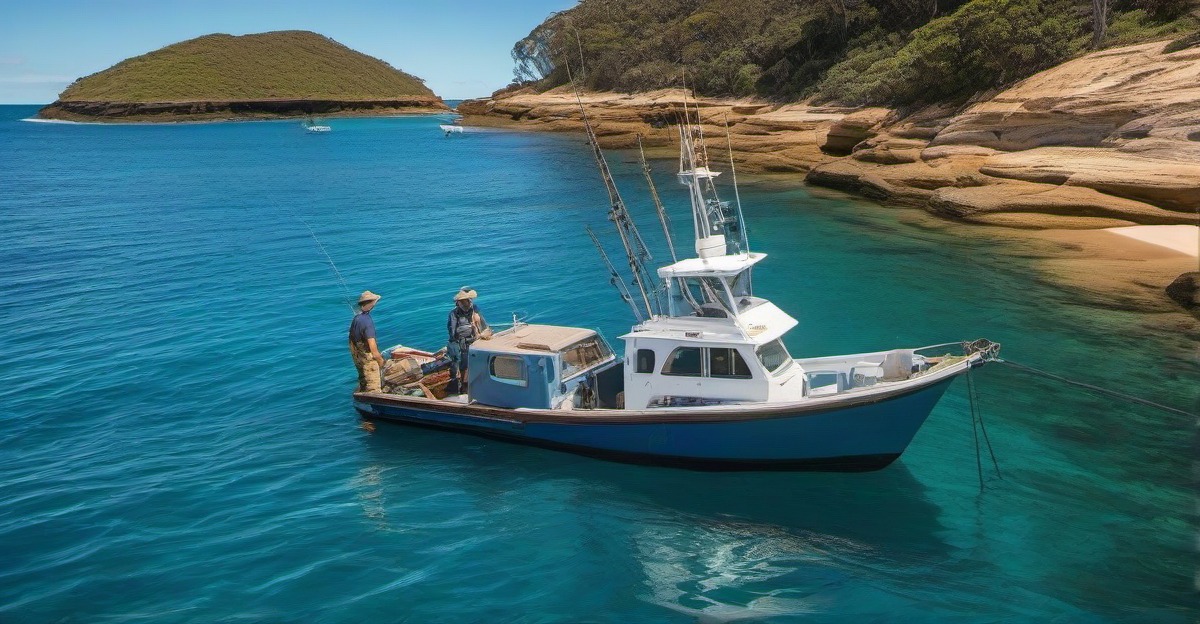
Cairns Estuary Fishing: Calm Water, Serious Fish
By Pete Collins, Charter Operator and Fishing Guide
Trinity Inlet, ten minutes from the marina Book the Cairns Half Day Tour A Great Barrier Reef Snorkeling Experience. No swell. No long run out. Real fish, and you are back by lunch.
⛔
Skip this if: you are targeting trophy fish. Estuary species are smaller than reef and offshore catches. If you want a 20kg+ Spanish mackerel or giant trevally, book an outer reef charter instead.
Most people who fly into Cairns picture one kind of fishing: a long boat ride out to the Great Barrier Reef, a big blue horizon, and a bit of a churning stomach on the way home. That is a genuinely great day out, and I run those trips too. But it is not the only way to catch a serious fish here, and for a lot of visitors it is not even the best way. Ten minutes from the marina, tucked in behind the mangroves, Trinity Inlet holds barramundi, mangrove jack, fingermark and queenfish that will bend a rod as hard as anything on the reef.
Trinity Inlet is close. I mean genuinely close. From the moment we push off the pontoon to the moment your first cast lands, it is about ten minutes. There is no swell to fight, no forty-minute run into open water, and no travel time eating into your morning. If you have limited days in Cairns, or you get seasick, or you are bringing kids who cannot sit still on a long transit, the inlet is the answer. You can be on the water at first light and home for a late breakfast, which is exactly why I recommend it to people who want fishing to be part of a holiday rather than the whole thing.
Some links below are affiliate links. If you book through them we may earn a small commission at no extra cost to you, which helps keep this site running.
Great Barrier Reef Snorkeling and Diving Cruise from Cairns
★★★★½ 4.7 (3878 reviews) · 510 min
Experience one of the wonders of the natural world up close and personal on this snorkeling and diving cruise on the Great Barrier Reef. This 35-metre luxury fast superyacht departs Cairns with 5…
See guided options
External booking on Viator · pricing and cancellations handled by Viator
Passions of Paradise Great Barrier Reef Cruise by Catamaran
★★★★½ 4.9 (2641 reviews) · 540 min
Dive, snorkel and sail the Great Barrier Reef with an award-winning company with 30 years’ experience operating personalized day tours to the Great Barrier Reef. The 80-foot catamaran sails from…
Browse tours on Viator
External booking on Viator · pricing and cancellations handled by Viator
Cape Tribulation, Mossman Gorge, and Daintree Rainforest Day Trip
★★★★½ 4.6 (2016 reviews) · 600-720 min
Step into one of the world’s oldest living ecosystems with this full-day Daintree Rainforest Tour. This immersive experience takes you deep into the heart of the World Heritage-listed Daintree…
Browse tours on Viator
External booking on Viator · pricing and cancellations handled by Viator
What to Expect on a Trinity Inlet Estuary Trip
If you've booked the half-day estuary fishing tour out of Cairns, here's the honest rundown from someone who's worked these waters for years. You'll meet at Marlin Marina and board a purpose-built 19-foot flat-bottom boat—ideal for navigating the shallow creeks and mangrove channels where the fish hide. The boat is stable, easy to move around on, and gets you right into the action without needing to wade or cast from the bank.
The Cairns Estuary System is a State Marine Park, meaning it's protected and managed to keep the fish stocks healthy. You'll be fishing deep holes, mudflats, submerged snags, and drop-offs. These structures hold fish year-round, but the species change with the seasons. Don't expect to see the same catch in January that you'd get in July.
What You Might Catch
The estuary holds a solid mix of species. Based on local catch data, here's what's common:
- Barramundi – the main event. They're in the system year-round, but the wet season (November to March) pushes them into the creeks to spawn, making them more active.
- Mangrove Jack – hard fighters that love snags. Best targeted around the turn of the tide.
- Queenfish and Trevally species – surface predators that smash lures hard. Good fun on light gear.
- Fingermark and Javelinfish – bottom-dwellers that take live bait or soft plastics.
- Threadfin Salmon (Blue and King) – powerful runs and acrobatic leaps. Common in the cooler months (May to August).
- Flathead, Bream, and Estuary Cod – reliable options if the barra are quiet.
- Giant Mudcrab – not always targeted, but they show up in pots and are a bonus catch.
Seasonal Timing Advice
Fishing in Trinity Inlet follows the wet and dry seasons. Here's a quick breakdown:
| Season | Months | What's Biting | Tips |
|---|
| Dry Season | May – October | Threadfin, Queenfish, Trevally, Flathead | Early morning starts are best. Water is clearer, so use lighter leaders (20-30lb). |
| Build-up | November – December | Barramundi, Mangrove Jack, Fingermark | Humid but productive. Fish the run-out tide near creek mouths. |
| Wet Season | January – March | Barramundi (peak), Giant Mudcrab | Freshwater pushes fish into channels. Use bigger lures and braid line. |
What to Bring and How to Prepare
You don't need to bring your own gear—the tour supplies rods, reels, tackle, and bait. But a few personal items make the trip better:
- Sunscreen and a hat – the tropical sun is fierce even on overcast days. SPF 50+ is not optional.
- Polarised sunglasses – cuts glare off the water and helps you spot fish and crocodiles before the guide points them out.
- Closed-toe shoes with good grip – the boat deck gets wet. Thongs (flip-flops) are a bad idea.
- A light long-sleeve shirt – protects against sun and mosquitoes, especially if you're fishing early or late.
- Water and snacks – the tour is 4.5 hours, and you'll work up a thirst casting and fighting fish.
- A camera or phone in a waterproof case – you'll see saltwater crocodiles sunning on the banks. Keep your phone dry.
Frequently Asked Questions
Q: Do I need a fishing licence for this trip?
A: No. The tour operator holds a commercial licence that covers all passengers on board. Just show up and fish.
Q: What happens if it rains?
A: The trip runs in light rain. The boat has a canopy for shade, but you'll get damp. If a storm or strong wind is forecast, the operator will cancel and reschedule or refund you. Trinity Inlet is sheltered, so cancellations are rare compared to reef trips.
Q: Can I keep the fish I catch?
A: Yes, within size and bag limits set by Queensland Fisheries. Your guide will measure and advise what you can keep. Many visitors choose catch-and-release for barramundi (slot limits apply). If you want to take fish back to your accommodation, bring an esky with ice.
Q: Is this trip suitable for kids?
A: Yes, absolutely. The 19-foot boat is stable, the water is flat, and the trip is short enough that younger anglers don't get bored. Kids aged 6 and up handle it well. The guide will help them cast and reel in.
Q: Will I see crocodiles?
A: Likely. Trinity Inlet is prime saltwater crocodile habitat. Your guide will point them out from a safe distance. Do not lean over the side or dangle your hands in the water.
What You’ll Actually Catch in Trinity Inlet
Don’t let the calm water fool you. The estuary system here is a nursery for some seriously hard-fighting fish. Based on what we see trip after trip, the species list is longer than most visitors expect. Depending on the season and tide, you can hook into javelinfish, fingermark, threadfin salmon (both blue and king varieties), queenfish, several trevally species, mangrove jack, estuary cod including gold-spotted and black-spotted, bream, flathead, hairtails, and of course the famous barramundi. We also pull up giant mudcrabs in the pots sometimes — not a fish, but a hell of a feed.
The key thing to understand is that these fish are seasonal. Barramundi, for example, are more active in the warmer months, while threadfin tend to show up in the cooler dry season. Your guide will know what’s biting on any given morning and adjust the plan accordingly. That’s the advantage of fishing a system this rich — there’s always something willing to take a bait or lure.
When to Go: Timing Your Trip Right
The standard half-day estuary trip runs about 4 hours 30 minutes, which is plenty of time to work several spots. I recommend the early morning departure — first light is when the fish are most active, and you’ll be back at the marina before the heat really sets in. The tides matter too. An incoming tide pushes baitfish up into the creeks, and the bigger predators follow. Your guide will schedule around the tides, so trust that.
If you’re visiting during the wet season (November to April), expect more barramundi action and the possibility of afternoon storms. The dry season (May to October) offers cooler, more comfortable conditions and consistent threadfin and fingermark fishing. Either way, the estuary fishes well year-round.
What to Bring and How to Prepare
This is not a reef trip — you don’t need seasick tablets, and you don’t need a full ocean kit. Here’s what I tell my clients:
- Sunscreen and a hat — the tropical sun reflects off the water, and you’ll feel it even on a short trip.
- Polarised sunglasses — essential for spotting fish and crocodiles in the tannin-stained water.
- Closed-toe shoes — the boat has a flat bottom for stability, but you’ll be stepping onto muddy banks at low tide.
- A light long-sleeve shirt — protects against sun and the occasional mozzie in the mangroves.
- Your own water bottle — stay hydrated, it gets humid.
- A camera or phone in a waterproof pouch — you’ll want photos of the barra, and crocs are common sights along the banks.
All fishing gear is provided — rods, reels, bait, and lures. The boats are 19-foot flat-bottom vessels designed to navigate shallow creeks and snaggy banks. You don’t need a fishing licence either; that’s covered by the charter operator.
Frequently Asked Questions
Do I need fishing experience?
Not at all. The estuary is forgiving water — no swell, no current to fight. Your guide will show you how to cast and work the lure. I’ve taken absolute beginners who landed their first barramundi within 20 minutes.
Will I see crocodiles?
Yes, it’s very likely. Trinity Inlet is saltwater croc country. You’ll spot them sunning on mudbanks or sliding off logs. Your guide keeps a safe distance and knows the areas to avoid. It’s part of the experience — just keep your hands inside the boat.
What if the weather is bad?
Because the inlet is sheltered, it fishes in conditions that would cancel a reef trip. Light rain or cloud is fine. Only severe storms or cyclonic weather will stop us. The operator will let you know the morning of.
Can I keep my catch?
Yes, within legal size and bag limits. The guide will clean your fish for you. Barramundi have a slot limit (usually 55–120 cm), so anything outside that goes back. Mangrove jack and fingermark are excellent eating — perfect for a beach barbecue that evening.