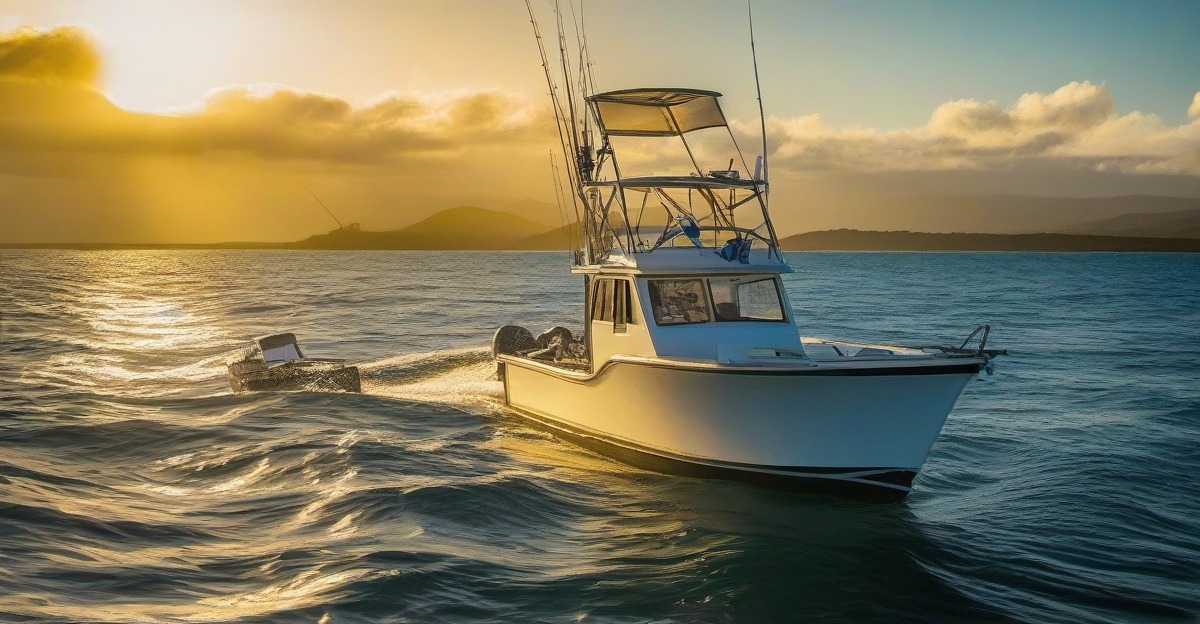
Gold Coast Fishing Charters: Offshore and Estuary Options
By Pete Collins, Charter Operator and Fishing Guide
Compare offshore, Broadwater, and inshore fishing charters around the Gold Coast.
Practical local guidanceAustralian charter focusNo paid placements
Reef and Rod earns a commission when you book through our Viator links, at no extra cost to you. We only link to experiences relevant to the fishing decision on this page.
Start with the water, not the skyline
The Gold Coast is the last place most people think of when someone says "fishing charter." High-rises, theme parks, schoolies, traffic. I get it. But under all that, there's a genuine coastal fishery that works year-round, the Broadwater on one side, the Pacific on the other, and a series of inshore reefs and artificial structures that hold fish closer to the ramp than you'd think possible this close to a city. The trick is knowing which water to fish on which day, because the bar can turn ugly in half an hour and the offshore trip you booked on Tuesday might be the wrong call by Friday morning.
What's actually out there
The Gold Coast sits on a weird bit of coastline. The Seaway, that engineered entrance between the Spit and South Stradbroke, gives boats access to both the Broadwater and the open ocean. Inside, you've got a massive sheltered estuary system: sandflats, deeper channels, bridge pylons, rock walls, and mangrove-lined creeks. Outside, there's a narrow continental shelf with reef systems starting surprisingly close to shore, the Scottish Prince wreck, Palm Beach Reef, Mermaid Reef, and the gravel patches further out. That means a half-day inshore charter out of the Broadwater and a half-day offshore charter are two completely different experiences, even though they launch from the same suburb.
The inshore and estuary fishery
This is the trip that runs when the wind's up and the bar's unworkable, and it happens more often than the brochures suggest. The Broadwater is a big, shallow, protected body of water that holds bream, whiting, flathead, tailor, trevally, and the occasional jewfish around the deeper holes. It's not glamorous. It won't make your Instagram. But it is reliable, kids can do it, novices don't get green, and the bite rate is usually good enough to keep a half-day moving. The charters that work this water tend to be smaller operations: 6-8 metre trailer boats, local knowledge, and a flexible plan depending on tide and wind. Expect bait fishing over lures, drift-and-anchor patterns, and a skipper who's been running the same patch of water since before half the high-rises went up.
Offshore: when the weather cooperates
The offshore fishing out of the Gold Coast is real, but it's conditional. The Seaway bar is one of the more notorious entries on the east coast, it's manageable on a good day, lumpy on a moderate one, and outright dangerous when a big swell's running against an outgoing tide. Any decent skipper will call it early if the bar's not co-operating. When you do get out, the fishing runs from reef species, snapper, pearl perch, tuskfish, moses perch, on the closer grounds, through to pelagics like spanish mackerel, tuna, cobia, and the odd marlin further out on the wider grounds. The full-day offshore trips cost more, cover more ground, and reward patience. The half-day offshore trips hit the closer marks and usually come back with a feed of reef fish, which is what most visitors actually want.
What you'll pay and what it includes
Budget roughly $120–180 per person for a half-day inshore or estuary charter, and $200–350 for a full-day offshore trip depending on boat size and how far they're running. The price usually covers rods, reels, tackle, bait, and your catch cleaned and bagged, some operators will cook up a fish or two on the boat if you ask nicely. Most don't include food or drinks; bring your own water, snacks, sunscreen, and a jacket even in summer because the wind off the water cuts harder than people expect. Seasickness tablets the night before, not on the morning of, by the time you feel sick on the boat, the tablet won't help you.
Three questions to ask a Gold Coast skipper
One: "If the bar's no good, what's the backup plan?" You want to hear a clear alternative, usually the Broadwater or a protected reach, not a shrug and a "she'll be right." Two: "What are we actually targeting this week, and what's been biting?" A skipper who names fish species and recent catch reports is worth twice the one who says "whatever's out there." Three: "What's your weather and cancellation policy, do I get a refund if you call it, or just a reschedule?" Know before you pay, because the Gold Coast bar cancels a lot more trips than Cairns ever does.
My verdict
I was sceptical of the Gold Coast for years, thought of it as a surf-and-shopping town, not a fishing town. I was wrong. The Broadwater and the inshore reefs give it options that other east-coast cities don't have, and the fact you can fish productive water twenty minutes from the ramp while the skyline's still visible in the rear-view is genuinely unusual. If you're staying on the Coast and have a morning free, a half-day inshore or estuary charter is the smart play, it costs less, runs more reliably, and you'll almost certainly catch something. Save the offshore for when the forecast is genuinely flat and the skipper gives you the nod.
Timing the Gold Coast: When to fish and what to expect
Look, I've been running trips out of the Gold Coast long enough to know that the calendar matters more than most blokes want to admit. The offshore game here is at its best from late winter through early summer, say August to December, when the water temps sit right and the current brings the pelagics in close. That's when you'll find spanish mackerel and tuna working the bait schools over Palm Beach Reef and Mermaid Reef. But don't write off the cooler months—winter delivers some of the best snapper and pearl perch on the inshore grounds, and the bar tends to lie down flatter more often. If you're booking a half-day offshore trip, aim for a morning departure in those months. The sea breeze builds by midday and can turn a glassy run into a lumpy ride home.
The estuary and Broadwater fishery is a different beast entirely. It fishes well year-round, but the key is the tide cycle. Bream and whiting push up onto the flats on a rising tide, and flathead ambush the edges of the deeper channels on the drop. If you're on a charter that works this water, your skipper will be watching the tide chart, not the calendar. The best windows are the two hours either side of a high tide, especially in the warmer months when the fish are feeding aggressively. Winter still produces, but the bite slows down, and you'll be working the deeper holes and rock walls around the Seaway for jewfish and trevally.
What to bring: Gear, comfort, and common sense
I've seen blokes turn up for an offshore trip in thongs and a t-shirt with nothing but a phone and a packet of chips. Don't be that bloke. The sun on the water is brutal, even on an overcast day, and the wind chill on the run back across the bar will cut through you. Here's what I tell every client before they step on board:
Sun protection: A broad-brimmed hat, polarised sunglasses, and high-SPF sunscreen that won't wash off in the spray. The reflection off the water doubles the burn.
Layers: A lightweight long-sleeve shirt over a tee, plus a windproof jacket. Even in summer, the run offshore can be cool. In winter, add a fleece or thermal.
Footwear: Non-slip deck shoes or sandals with a good grip. No thongs. The deck gets wet, and a slip on a moving boat is a quick way to ruin a trip.
Motion sickness: If you've never been offshore on a lumpy day, take something before you leave the dock. The Gold Coast bar can turn a confident stomach inside out in five minutes. Tablets or patches work; just follow the timing on the packet.
Food and water: Most charters provide lunch and drinks, but bring your own water bottle and a few snacks. Dehydration sets in fast in the salt air, and you'll fish better if you're not running on empty.
Camera or phone in a waterproof case: You'll want proof of that snapper or mackerel, and salt spray kills electronics fast.
Frequently asked questions from first-timers
What happens if the weather turns bad on the day of my trip?
Any decent Gold Coast skipper will make the call early. If the Seaway bar is dangerous—big swell against an outgoing tide, or a southerly blowing over 20 knots—the trip gets postponed or switched to the Broadwater. The estuary system is protected and fishes well in most conditions. Don't be disappointed if you end up inside; some of my best days on the water have been chasing flathead and trevally in the creeks when the ocean was a washing machine.
Do I need fishing experience to enjoy a charter?
Not at all. The inshore and estuary charters are perfect for beginners and families. The skippers know the spots, they'll set the gear up for you, and they'll show you how to work the bait or lure. Kids pick it up quick, and the bite rate on the Broadwater is usually high enough that everyone gets a turn. Offshore trips are a bit more demanding—you're dealing with bigger fish and more movement—but the crew will walk you through it.
What's the difference between a half-day inshore trip and a full-day offshore trip?
The inshore trip is about 4-5 hours inside the Broadwater or close to the Seaway. It's sheltered, reliable, and you'll mostly be bait fishing for bream, flathead, whiting, and trevally. The offshore trip is a full day, 8-10 hours, running 15-30 kilometres out to the reefs and gravel patches. You'll be targeting snapper, pearl perch, tuskfish, and pelagics like mackerel and tuna. The offshore trip depends heavily on weather and bar conditions. The inshore trip runs almost every day.
What species can I expect to catch on a Gold Coast charter?
Inside the Broadwater: bream, flathead, whiting, tailor, trevally, and jewfish around the deeper holes. Offshore on the reefs: snapper, pearl perch, tuskfish, moses perch, and the occasional cobia. When the pelagics are in, spanish mackerel and tuna show up on the closer grounds. The mix changes with the season, but there's always something biting somewhere.
Reading the Gold Coast seasons like a local
I get asked all the time: "When's the best time to book a charter?" The honest answer is it depends on what you want to catch and how flexible you are with the weather. On the Gold Coast, we've got two distinct seasons that shape the fishing, and they don't line up with the tourist calendar.
From late autumn through winter (May to August), the offshore reefs fire up for snapper, pearl perch, and tuskfish. The water cleans up, the currents settle, and the fish school tighter over structure like Palm Beach Reef and the Scottish Prince wreck. This is also when the bar is most consistently manageable—less northerly swell, lighter sea breezes. If you're chasing reef fish on a plate, this is your window.
Spring and summer (September to February) bring the pelagics. Spanish mackerel, tuna, and the odd mahi-mahi push down the coast. But this is also when the northerlies and afternoon storms can shut the bar down by lunchtime. A smart angler books an early-morning departure and has a backup plan for the Broadwater if the offshore call gets scrubbed.
What to bring that most people forget
I've watched blokes step off the dock in thongs and boardies, clutching a $400 rod they've never used, and wondering why they're miserable three hours later. Let me save you the trouble.
Non-slip shoes with a dark sole. White soles mark up the deck and skippers hate that. Something with grip is non-negotiable once the deck gets wet.
A windproof jacket. Even on a 28-degree day, the run out to Mermaid Reef at 25 knots will cut through a cotton T-shirt like it's not there.
Your own sunglasses. Polarised. Not fashion shades. You need to see the fish shadows and structure changes in the water, and the cheapies from the servo won't cut it.
Motion sickness tablets taken the night before. If you're even slightly unsure about your sea legs, take them before bed and again with breakfast. Waiting until you feel queasy is too late.
Frequently asked questions from blokes who've been caught out
How do I know if the bar will be open on the day?
Call the charter operator the morning of your booking, not the week before. The Seaway bar changes with every tide and wind shift. A good skipper will have checked the Bureau of Meteorology marine wind warning and the local swell buoy before you've had your first coffee. If they're hesitant, ask about the inshore option—most operators running out of the Broadwater can switch plans without cancelling.
Can I keep the fish I catch?
Yes, within Queensland size and bag limits. Most Gold Coast charters will let you keep a reasonable feed of reef fish like snapper or tuskfish, but pelagics like Spanish mackerel and tuna have strict limits. The skipper will gut and gill your catch on the way back in. Check with your specific charter beforehand whether they provide eskies or if you need to bring your own.
What happens if the weather turns bad mid-trip?
Any operator worth their salt has a contingency. On the Gold Coast, that usually means pulling back inside the Broadwater to fish the channels and rock walls. It's not the same as pulling a pearl perch off a reef, but it beats being seasick and miserable. The best charters won't push it—they know the bar can turn dangerous faster than most people realise.
Do I need my own fishing gear?
No, and honestly, I'd recommend using the charter's gear unless you've specifically matched your rods to the local conditions. Most Gold Coast offshore charters supply quality overhead or spin outfits rigged with the right sinker weights and hooks for the reef they're working. Your 7-foot bream stick from the tackle shop won't handle a 5-kg snapper in 40 metres of water with a 1-kg lead on the bottom.
Gold Coast's Broadwater Private Calm Water Fishing
★★★★★ 5.0 (42 reviews) · 5 hours
Some links may be affiliate links, which means we may earn a commission at no extra cost to you. We take no paid placements.
A private charter aboard 'Beachcomber', fishing the sheltered Broadwater for up to 8 guests. Big enough to move around, small enough to work the channels, flats and structure. This is the calm-water inshore trip that runs when the Seaway bar shuts the offshore boats down, the smart pick for families, novices, and anyone who doesn't want to gamble a morning on the weather.
External booking on Viator · pricing and cancellations handled by Viator
Chasing offshore reef and pelagics?
Here's the honest position: the Gold Coast's offshore sportfishing boats mostly fill their calendars direct, by phone, repeat clients, and word of mouth, and the online inventory is thin and comes and goes. I won't point you at a dead listing. Browse what's actually bookable right now, then ring the operator to confirm the bar and the target species before you pay.