Why Darwin is Australia's Last Great Fishing Frontier
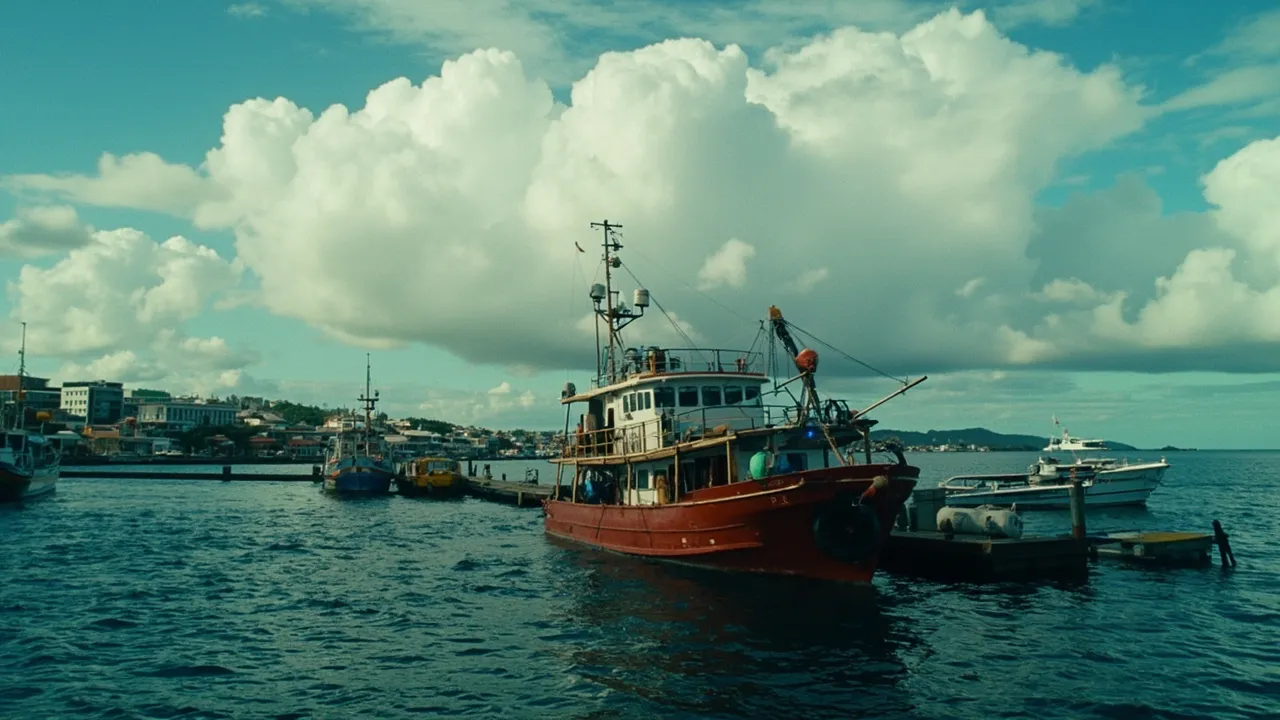
Darwin and the Top End of the Northern Territory represent one of the last remote fishing destinations on the Australian continent. The region's fishing is defined by two forces: the massive tidal ranges of the Timor Sea (which can exceed 7 metres between low and high tide) and the remarkable barramundi, Australia's most iconic freshwater fish, and the reason serious fishers travel from around the world to chase them. I book all my charters through Viator, their cancellation terms are the best
I've found.
What makes a Darwin fishing charter different from everywhere else: access. Many of the leading barra spots are in Kakadu National Park, Arnhem Land, or remote Aboriginal waterways that require permits, specialised operators, and serious planning. You can't just rock up. This barrier to entry is exactly why the fishing is exceptional, because it takes effort and local knowledge to reach the most productive water.
Darwin's charter fleet consists almost of owner-operators who have spent years navigating the specific quirks of Top End tides, seasonal closures, and access restrictions. The operators who survive in this market do so on reputation alone, they're not catering to tourists who wandered in off the street. The town's fishing community is tight-knit, knowledgeable, and passionate about the resource.
Last updated: . Written by Pete Collins, 15 years covering Australian charter waters. Last reviewed June 2026.
Pete's Stories from the Top End
I've fished the Top End enough times now to know that Darwin doesn't care about your plans. The tides, the heat, the crocs, they're running the show. You're just visiting. Here's what I've learned across a dozen trips to this extraordinary, unforgiving corner of Australia.
The Kakadu Washout That Taught Me Everything. March 2018. We'd booked a three-day barra safari into Kakadu-adjacent waters, a system of interconnected billabongs and tidal creeks east of the park boundary. Guide picked us up at 4:30am from Darwin in a modified LandCruiser towing a tinny, and by 7am we were standing knee-deep in a creek that looked like cold tea, casting into snags that had probably held barra since before I was born. First cast, nothing. Tenth cast, nothing. Thirtieth cast, I snagged a log and lost a $30 lure. By midday I was starting to wonder whether I'd blown a few thousand dollars on a very expensive boat ride through a swamp. Then the guide pointed at a barely-visible eddy behind a fallen paperbark, "Put it there. Slow retrieve. Don't strike until you feel weight." I did exactly what he said. The water exploded. A metre-plus barra launched itself clear of the surface, shook its head like a dog with a sock, and ran me straight into the snags before I could blink. I lost that fish. But I'd seen it, the gold flash, the gill-rattling headshake, the sheer explosive power. That one moment taught me more about barra fishing than every article and YouTube video I'd consumed beforehand. Barramundi don't give you a second chance. You either get the hook set right the first time, or you're tying on another lure and hoping the next fish is more forgiving. They rarely are.
The Wet Season Secret Nobody Talks About. Everyone tells you to avoid the Wet. November through April, the brochure advice says stay home, roads are closed, operators shut down, the fishing's no good. Here's what I learned the hard way: some of the best barra fishing I've ever experienced was in February, in pouring tropical rain, on a creek system that was supposedly "unfishable" because the water was running too high. A local guide I'd built a relationship with over several dry-season trips rang me up and said "if you can get here, I'll take you out." I flew into Darwin during an active monsoon trough. The airport was half-empty. The humidity hit me like a wet blanket the moment the cabin door opened at the gate. We launched at a ramp that was technically closed for the season, navigated flooded access tracks to reach the creek mouth, and fished water that had spread out across the floodplain, places that are bone-dry cattle paddocks in July. And the barra were there. Big ones. Fat from months of feeding in flooded back-country with zero fishing pressure. We landed five fish over 90cm in four hours before the afternoon electrical storm forced us off the water. The lesson: the Wet Season doesn't kill the fishing, it just kills access for anyone who doesn't know the back way in. If you can find a guide who operates through the Wet (and there are a few, if you ask around), you'll have productive water to yourself that's mobbed with six boats in August.
The Croc That Changed How I Fish the Top End. First trip to the Adelaide River system, 2016. I'd been fishing northern Australia for years at that point, Cape York, the Gulf, the Kimberley. I thought I knew croc country. We were working a sandbar at low tide, and I hopped out of the boat to retrieve a snagged lure from a mangrove root, something I'd done a hundred times in Queensland without a second thought. The guide was 30 metres away, untangling a wind knot on the bow. I heard a splash behind me that was too heavy to be a mullet. Turned around and there was a solid three-metre saltie sliding into the water about 15 metres from where I was standing. It hadn't been there when I walked past. I don't know where it came from, probably sunning itself on a mud bank I'd walked straight past without registering. The guide saw my face, didn't say a word, just motioned me back to the boat with a look that said "I told you not to get out." We fished from the boat for the rest of the day. I've never waded a Top End creek since, and I never will. Crocodiles aren't a novelty up here, they're the apex predator in every waterway you'll fish. Respect that, and you'll have a great trip. Forget it for five minutes, and you're making a mistake you might not get to learn from.
The Harbour Threadfin Session That Made the Barra Boats Jealous. August 2022. I'd spent three days chasing barra in the Finniss River and come up with two fish to show for about $2,400 in charter fees. I was frustrated and a bit embarrassed. On my last afternoon, the guide suggested we switch it up, 'let's go chase threadfin in the harbour instead, tide's right.' I agreed, mostly because I had nothing to lose. We motored 12 minutes from the Cullen Street ferry terminal to a spot just off East Arm. The guide rigged a live mullet under a float and handed me the rod. Within 15 minutes I was hooked up to a threadfin that went 112cm, a metre-plus fish that pulled harder than most barra I'd caught that week. It ran deep, ran again, and when it finally came to the boat it was all silver and gold and attitude. We landed six threadfin over a metre that afternoon, plus a couple of juvenile queenfish that smashed surface lures on the run home. The barra boats that came back to the ramp that evening had one or two fish between them. We had a full esky and hadn't left sight of the Darwin skyline. Threadfin salmon are the most underrated fish in the Top End and I'll die on that hill.
What I've Learned, Counterintuitive Darwin Wisdom
The Wet Season isn't the enemy, the crowds are. November through March sees dramatically fewer fishers on the water. Yes, some roads close and some operators shut down. But the fish are still there, feeding aggressively in the warm water, and you'll have prime water almost to yourself. The trick is finding an operator who runs through the Wet and knows which systems remain accessible. I've had 90cm+ barra in February rain that I'd never have seen in August with five other boats working the same snag.
Smaller tides often fish better than big ones. Darwin's 7-metre tidal range is famous, but the best barra fishing frequently happens on neap tides when the water movement is gentler and the fish don't have to work as hard to hold position in the current. The guides know this intimately, ask them to pick the tide window for your trip rather than dictating your dates based on a calendar.
Threadfin salmon are criminally undersold. Everyone comes to Darwin for barra, but the threadfin fishery in Darwin Harbour is top-tier in its own right. I've had threadfin sessions where we landed a dozen fish over a metre in an afternoon, while the barra boats came back with one or two. If the barra are quiet, ask your guide about switching to threadfin, they fight harder pound for pound, they're abundant, and the harbour access points are minutes from the CBD.
You don't need to go deep into Kakadu to catch trophy fish. Darwin Harbour, the Finniss River, and the Adelaide River all hold metre-plus barra within an hour of the city. The remote billabong experience is spectacular and worth doing once, but it's not the only path to quality fish. I've personally witnessed a 95cm barra caught 20 minutes from the Cullen Street ferry terminal, in water that dozens of boats motor past every morning without casting a line.
Who This Is NOT For
Look, I don't want your money if you're going to have a bad time. Darwin fishing is incredible, some of the most memorable days of my career have been on Top End water. But it's not for everyone. Here's who should seriously reconsider:
Anyone expecting comfort or luxury. The Top End is remote, hot, and physically demanding for large parts of the year. You'll be in a small aluminium boat for hours, possibly in driving rain, almost in humidity that makes your shirt stick to your back by 9am. There are no cafes at the boat ramp. The toilet is a tree. The insects are relentless. If your idea of a good fishing trip involves air conditioning, espresso, and a hot shower between sessions, book a Reef charter out of Port Douglas or the Whitsundays instead. Darwin will punish you for expecting otherwise, I've watched blokes crack by 10am because they weren't mentally prepared for the conditions.
Anyone with a genuine fear of crocodiles. I'm not talking about healthy respect, that's smart, and your guide will expect it. I'm talking about genuine phobia. Every waterway you'll fish in the Top End has crocodiles. You will see them. Your guide will point them out, often casually, because they're as routine as seagulls are down south. If the thought of a three-metre saltie watching your boat from 20 metres away makes your stomach drop, don't book this trip. You won't enjoy it, and your anxiety will affect everyone else on board.
Fishers who need guaranteed results. Barramundi are the most addictive and frustrating fish in Australia. You can do everything right, right tide, right lure, right presentation, right retrieve, and still go home having touched exactly zero fish. I've had days where I raised 20 barra and landed three. I've also had days where I raised none. If you're the kind of angler who measures a trip's success purely by the esky at the end, Darwin will eventually break your heart. Come here for the experience of fishing one of the world's last genuine wilderness frontiers, the fish are the reward, not the guarantee.
What You'll Catch in Darwin & Top End Waters
Darwin and the Top End have a distinct split: the freshwater and estuarine barramundi fishery, and the offshore species of the Timor Sea and Joseph Bonaparte Gulf. A Darwin fishing charter gives you access to both environments depending on what you want to target.
BarramundiSaltwater Crocodile (estuarine, not target)Threadfin SalmonQueenfishGolden SnapperMangrove JackSpanish Mackerel
Is Darwin Right for You?
Best For
Adventurous anglers: Yes. Tidal rivers, croc country, barra and threadfin in wild settings an hour from the CBD.
Experienced fishers: Yes. Barra on light tackle in tight structure demands skill and physical fitness.
Beginners: Half-day estuary trips offer a gentler entry point with smaller fish and calm water.
Not For
Luxury-focused travellers, Darwin charters are functional operations, not resort experiences
Wet-season visitors (Nov-Mar), monsoon rains limit access to remote rivers
Cold-water fans, the Top End is hot and humid, there is no cool season
Quick Facts
Best month: October-November (barra build-up)
Best species: Barramundi, Threadfin Salmon, Queenfish
Best Darwin Fishing Charters, Barra, Estuary & Offshore
The Darwin charter market is small and seasonal, the operators below are established, experienced, and have deep local knowledge of Top End waters. All operate in areas requiring NT fishing licences and marine park permits where applicable.
🛈 Reef and Rod earns a commission when you book through Viator links on this page. This never affects our recommendations, we only feature operators that pass our vetting process.
Runs to remote billabong and creek systems within Kakadu National Park or Arnhem Land, targets exclusively barramundi in freshwater environments. Full day on the water, small boat (max 4), bring your own food and drink. The guide is a Kakadu National Park cultural licence holder, which means legitimate access to areas commercial operators can't reach. Catch-and-release only for barra, this is non-negotiable given NT slot limits.
Why this made the cut: Small-group format ensures personalised attention and better catch rates
Typical rate: $450–$700/person · Full-day only · Moderate fitness required
Operates within Darwin Harbour and the adjacent Finniss River system, accessible without long distance travel, but still produces solid barra and threadfin salmon. Half-day departures from Cullen Street ferry terminal (5 minutes from CBD). No heavy boat required, smaller craft, very experienced guide. Suitable for anglers who want a serious fishing experience without a full-day commitment.
Why this made the cut: Very experienced guide operating in Darwin Harbour, accessible without long travel
Typical rate: $280–$450/person · Half-day from $220
Runs to the Timor Sea dropoff west of Darwin, targets Spanish mackerel, queenfish, and seasonal tuna species. This is a bluewater operation requiring a full day on the water and a longer run than some clients expect. For experienced fishers only. All bait and tackle included. Barra is not the target here, this is reef and pelagic fishing for people who specifically want offshore action from Darwin.
Why this made the cut: Only Timor Sea bluewater charter listed, for dedicated offshore fishers from Darwin
NT fishing regulations: Barramundi has a 55cm minimum size limit across NT waters, with a 55–100cm slot limit (meaning fish between 55–100cm must be released) applying specifically in the Daly River and Mary River fish management zones. All Darwin operators are required to hold a current NT Recreational Fishing Licence and must comply with marine park zone restrictions. Confirm licence status when booking. Barra kept from the harbour is subject to strict bag limits.
Family Fishing in Darwin & the Top End
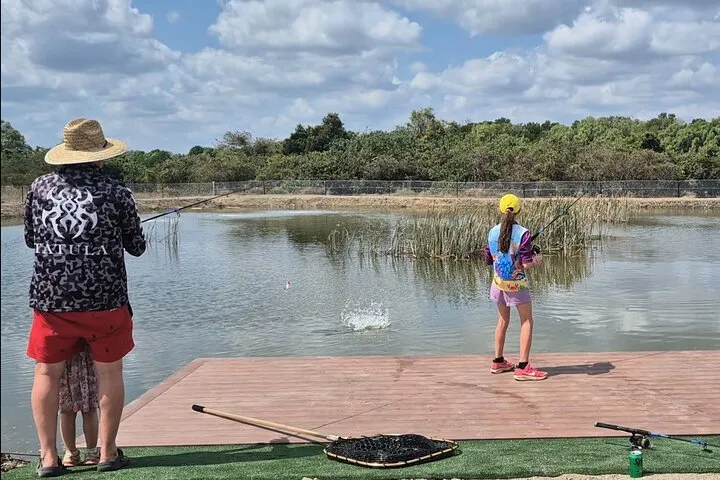
Darwin is one of Australia's most unique destinations for a family fishing charter, and a Kakadu fishing tour or Darwin Harbour estuary trip can be a extraordinary experience for kids. The Top End is unlike anywhere else in Australia, the wildlife, the landscape, the tidal systems, and a fishing charter here is as much an environmental education experience as it is a fishing trip.
A Darwin family fishing charter works best as a harbour or estuary half-day (from $220 per person) for families with younger children. The Darwin Harbour estuary system is sheltered, relatively safe, and produces consistent catches of threadfin salmon and barra, enough to keep kids engaged without the complexity of remote billabong access. Some operators also run Top End fishing safari experiences that combine fishing with cultural interpretation from Indigenous guides, which is a remarkable experience for older kids and teenagers.
If you're planning a Darwin barra fishing trip with the family, note that the remote billabong barra safaris (Kakadu and Arnhem Land) are not suitable for young children, the terrain is remote, fitness requirements are moderate, and the cultural context requires mature attention. Instead, start with a Darwin Harbour half-day charter, then decide if the family wants to graduate to a multi-day Barra experience on a separate trip.
Looking for more northern fishing options? See our Port Douglas fishing charters guide for estuary and reef fishing in Far North Queensland.
First Time Fishing in Darwin, Beginner's Guide
If you're new to fishing, Darwin and the Top End are extraordinary places to start, but there's more to know before you book a Darwin fishing charter as a beginner than at most other Australian destinations. Here's what you need to understand about Darwin fishing for beginners:
Darwin Harbour estuary is the suitable starting point. A half-day harbour charter (from $220 per person) targets threadfin salmon and barra in sheltered water, no long boat runs, no rough conditions, and regular action. Suitable for first-timers.
Remote barra safaris are NOT for beginners. The Kakadu and Arnhem Land billabong barra experiences require moderate fitness, early starts, and the ability to handle remote conditions. Save those for your second or third Darwin fishing trip.
No licence needed on a charter. The operator holds all necessary NT fishing licences. You just show up ready to fish.
Gear and bait are always included. All Darwin fishing charter operators include rods, reels, tackle, bait, and on-board guidance. Sun protection and water are your responsibility.
Darwin fishing charter prices for beginners are mid-range. A half-day harbour estuary charter costs $220–$320 per person. Full-day Kakadu barra safaris run $450–$700 per person. The harbour option is best value for first-timers.
Crocodiles are a real consideration. Estuarine crocodiles inhabit all waterways in the Top End, your operator will brief you on water behavior and safety. This is not a reason to avoid fishing here; it's a reason to fish with an experienced operator who knows the water.
Darwin is one of the leading places in Australia to chase barra, even as a beginner. The harbour estuary charters are accessible for first-timers, and landing your first barra on a half-day Darwin Harbour trip is an experience you'll remember for life.
First time fishing in Australia? Start with our Noosa fishing charter guide, Queensland estuary fishing is an excellent introduction to Australian coastal fishing.
Darwin Fishing Charter Prices, What to Budget
Here's a realistic breakdown of Darwin fishing charter prices across the main charter types:
Half-day Darwin Harbour estuary fishing: $220–$320 per person, threadfin salmon and barra, suitable for beginners and families
Full-day Kakadu/Arnhem Land barra safari: $450–$700 per person, remote billabong fishing, cultural guide, catch-and-release only
Full-day Timor Sea bluewater / pelagic fishing: $350–$550 per person, Spanish mackerel, tuna, queenfish; experienced fishers only
All prices include gear, bait, and on-board guidance. Full-day barra safaris include Indigenous cultural licence access, confirm exactly what's covered when booking. Private charters (exclusive boat) cost 1.5–2× the per-person rate. Peak season (July–October) books out 3–4 weeks ahead, book early if you're planning a Dry Season Darwin fishing trip.
Best Time to Fish Darwin
May – June (Early Dry Season) · Barra season opens after the Wet Season. Catch is consistent as fish move out of flooded billabongs back into main river systems. Water still warm, weather comfortable. Best window for first-time Top End fishers.
July – August (Mid Dry Season) · Peak fishing for both barra and offshore species. Stable weather, low humidity, comfortable temperatures (25–32°C). Most operators at full capacity, book 3–4 weeks ahead.
September – October (Late Dry Season) · Water temperature peaks before the Wet Season monsoons arrive. Barra fishing at its best as fish prepare to spawn. Afternoon heat increasing, early starts essential.
November – April (Wet Season) · Many operators shut down. Access to remote waterways restricted by flooding and road closures. Road travel to Kakadu is difficult. Not recommended for fishing purposes unless you specifically want Wet Season birdwatching and limited access barra fishing.
Getting to Darwin
Direct flights from major cities: Qantas and Virgin operate direct flights from Sydney (4h), Melbourne (4h 30m), and Perth (3h 45m). Darwin International Airport is 8km north of the CBD, taxi or rideshare ($25–35) is the practical option. No shuttle train, car hire is widely available at the airport.
Darwin CBD to Marina: Cullen Street ferry terminal is on the CBD waterfront, walking distance from most accommodation. Charter boats depart from Fishermen's Wharf or Cullen Street depending on operator.
Getting to remote fishing spots: All remote access is via the charter operator. Barra billabongs in Kakadu require entry permits, your charter operator handles this, but confirm before booking. Arnhem Land requires a separate Aboriginal Land Trust permit.
Charter operators provide all fishing equipment, bait, and safety gear. You need: sun protection (broad-brim hat, SPF 50+), light coloured clothing (mandatory for Kakadu park entry), and water. Do not bring alcohol into some Kakadu parks, check your operator's briefing.
Book With Confidence
Every operator above has verified client reviews, valid NT marine operator licences, and consumer protection through Viator. Every operator is listed with verified client reviews and consumer protection.
Looking for a different northern fishing experience? See our Exmouth guide for WA's Ningaloo Reef fishery, or explore Port Lincoln for SA's tuna fishery.