Why the Whitsundays is Australia's Most Unique Fishing Destination
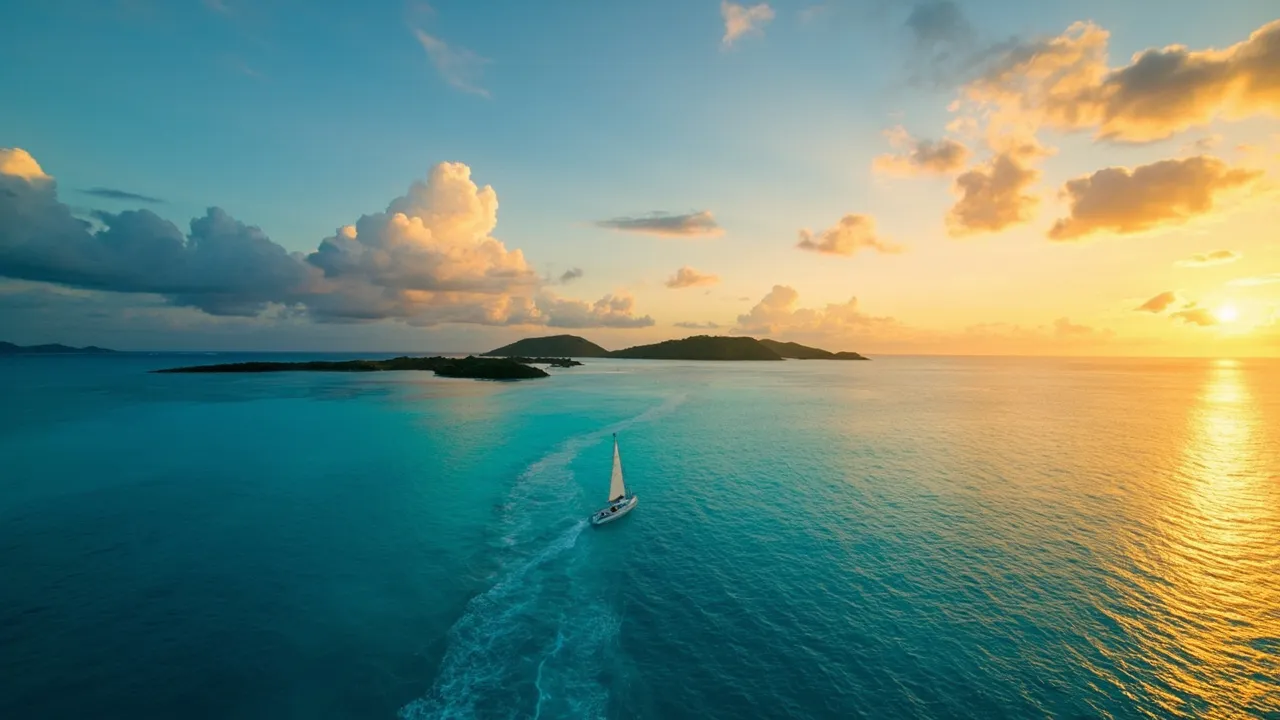
There is nowhere else on earth like the Whitsundays for combining expert-level reef fishing with island-hopping scenery. The 74 islands of the Whitsunday archipelago sit at the edge of the Coral Sea, with the Great Barrier Reef Marine Park on one side and the Coral Sea's bluewater dropoff on the other. A fishing charter here isn't just about the catch, it's about fishing coral trout in 20 metres of water while Whitehaven Beach drifts past on the horizon. I book all my charters through Viator, their cancellation terms are the best
I've found.
Most Whitsundays fishing charters operate from Airlie Beach, a seaside town 25km from Proserpine Airport. Operators range from small family-run reef charter boats to luxury catamarans that combine sailing with fishing. The mix of resort traffic, backpackers, and serious fishers means the charter fleet has something for every level and budget.
The key differentiator from other Australian fishing destinations: no other destination gives you this combination of accessible reef fishing, dramatic island scenery, and a resort town base with full tourist infrastructure. You can fish in the morning and be at a spa by 2pm. That's the Whitsundays edge.
Last updated: . Written by Pete Collins, 15 years covering Australian charter waters. Last reviewed June 2026.
What You'll Catch in the Whitsundays Waters
The Whitsundays sits at the inner reef shelf, meaning consistent coral trout and red emperor fishing without needing a long run to deep water. A Whitsundays fishing charter gives you access to both inner reef and outer Coral Sea dropoff depending on your target. Here's what's on offer:
Best Whitsundays Fishing Charters, Reef, Sail-and-Fish & Bluewater
The operators below represent the highest-rated options in the Whitsundays, a mix of pure fishing charters and sail-and-fish combo operators. We link to their Viator pages so you can compare, check availability, and book with consumer protection.
🛈 Reef and Rod earns a commission when you book through Viator links on this page. This never affects our recommendations, we only feature operators that pass our vetting process.
Whitsunday Reef Charters
Viator Verified
Half-day / Full-day · Inner Reef · Coral Trout
★★★★★
Runs to the inner reef south of the Whitsundays, consistent coral trout, red emperor and spangled emperor fishing. Small groups (max 8), all equipment and bait included. Good reputation for client instruction, suits beginners and experienced fishers alike. Departures from Airlie Beach jetty.
Why this made the cut: Proven track record with beginners, crew actively teaches first-timers
Typical rate: $180–$320/person · Half-day from $140
Combines sailing the Whitsunday Islands with reef fishing at two locations. Visits Whitehaven Beach, includes lunch, and fishes the reef on the way. A premium experience, perfect for couples or small groups who want the scenic side of the Whitsundays with fishing as a component. Catamaran, max 12 passengers.
Why this made the cut: Premium operation with top-tier gear and experienced crew
How I choose operators: I review client ratings (minimum 4.5 stars), crew experience, vessel safety standards, and sustainable fishing practice. Every operator on this page is listed on Viator with consumer protection.
Family Fishing in the Whitsundays, Island Fishing for All Ages
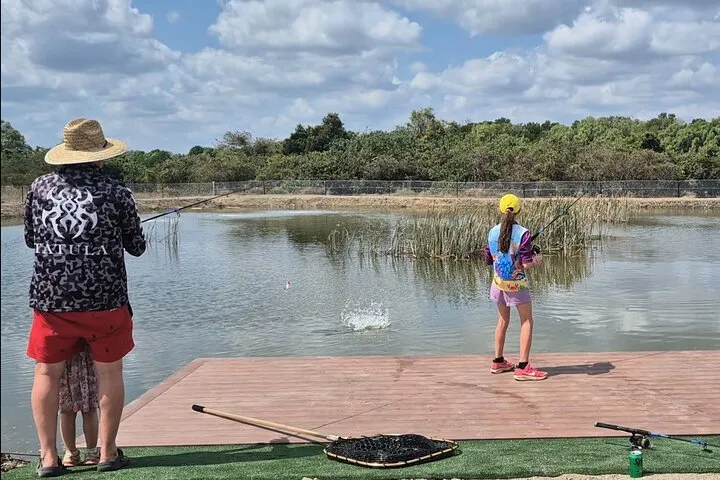
The Whitsundays is a suitable destination for a family fishing charter, calm sheltered waters between islands, regular reef action, and spectacular scenery that keeps kids engaged even when the fish aren't biting. An Airlie Beach fishing charter is one of the most family-friendly ways to experience the Whitsundays.
The inner reef fishing around the Whitsundays is especially well-suited to families with children. Coral trout and emperor species are plentiful in relatively shallow water, which means shorter fights and more regular action, exactly what keeps young anglers excited. Half-day reef charters (from $140 per person) are the most popular family choice, giving kids a genuine fishing experience without the fatigue of a full-day outing.
The sail-and-fish combo is the standout family option in the Whitsundays, fishing in the morning combined with a visit to Whitehaven Beach and afternoon sailing means every family member has something to look forward to. At $280–$450 per person all-inclusive, it's a full-day island experience that justifies the cost for a special occasion.
If you're planning a Whitsundays half day fishing charter with kids under 10, ask your operator about child pricing, many offer reduced rates for children, and some include kids free on half-day reef charters when sharing with two full-paying adults.
Want to explore more island fishing options? See our Port Douglas fishing charters guide for additional family-friendly operators in Far North Queensland, or our Cairns fishing charters page for game fishing further north.
First Time Fishing in the Whitsundays, Beginner's Guide
New to fishing? The Whitsundays is one of the most forgiving and scenic places to cast a line for the first time. about Whitsundays fishing for beginners:
Reef fishing is the perfect starting point. A half-day reef charter (from $140 per person) offers regular catches of coral trout in calm, clear water, no experience needed. Your skipper and deckhand will walk you through everything.
Gear, bait, and guidance are always included. Every Whitsundays fishing charter includes rods, reels, tackle, bait, and hands-on instruction from the crew. You just show up ready to enjoy the day.
No licence required on a charter. The commercial operator holds all necessary licences, you're covered to fish without any paperwork.
Sail-and-fish combos are great for beginners. If you're not sure about spending a full day focused purely on fishing, the combo experience lets you fish in the morning and relax on Whitehaven Beach in the afternoon, a taste of both worlds.
Beginner-friendly Whitsundays fishing prices are accessible. A half-day reef fishing charter for beginners costs $140–$200 per person, all gear and instruction included. The sail-and-fish combo runs $280–$450 per person for the full-day premium experience.
The Whitsundays inner reef is one of the most forgiving fishing environments in Australia, calm water, consistent catches, and experienced operators who are welcoming to first-timers. If you're trying fishing for the first time, this is a great place to do it.
Want to compare with a mainland option? Our Noosa fishing charter guide covers estuary fishing, another excellent beginner-friendly destination in Queensland.
Whitsundays Game Fishing, Deep Sea and Pelagic Charters
For experienced fishers looking for serious offshore action, a Whitsundays game fishing charter targeting mahi mahi, Spanish mackerel, and tuna at the Coral Sea edge is the answer. This is bluewater fishing at its finest, 30km+ offshore runs to the dropoff, full-day commitment, and serious gear.
Game fishing charters from the Whitsundays cost $400–$650 per person for a full day. The season runs August–November primarily, though mahi mahi can show up from June. Confirm target species with your operator before booking, the outer reef doesn't guarantee every pelagic on every trip.
If you're after something more structured, the Cairns fishing charters guide has more dedicated game fishing options, including marlin season (October–December) which is one of the leading in the world off Far North Queensland.
Best Time to Fish the Whitsundays
April – July · Peak season. Calm seas, warm days (22–26°C), consistent coral trout fishing. Best all-round window, reef fishing is productive, weather is settled, whale watching starts (June–October). Book 2–3 weeks ahead for school holidays.
August – November · Shoulder season. Water warming, mahi mahi and mackerel arriving on the outer reef. September–October has the clearest water and best visibility. Late-year bookings can offer better value outside the Christmas peak.
December – March · Wet season. Afternoon thunderstorms common, high humidity. Some operators reduce schedules. Coral trout remain active year-round. Lower prices and fewer crowds outside school holiday periods. Check operator availability before planning.
Getting to the Whitsundays
Fly to Proserpine (PPP): QantasLink and Virgin from Brisbane (~1h 40m), Jetstar from Sydney and Melbourne. Proserpine Airport is 35km south of Airlie Beach, shuttle or transfer essential (not walkable). Book shuttle ahead via Viator.
Fly to Hamilton Island (HTI): Direct flights from Sydney and Melbourne to Hamilton Island Airport, gateway for resort island visitors. Charter boats depart from Hamilton Marina, not Airlie Beach.
Drive from Cairns: 450km south along the Bruce Highway (~5.5 hours). Feasible if renting a car and combining with other FNQ destinations. Not recommended as a fishing trip add-on without planning.
Shuttle from Proserpine: Whitsunday Transit shuttles meet every flight. Airlie Beach is 35km from the airport, ~30 minutes by road.
Most fishing charter operators offer pick-up from Airlie Beach accommodation included in the charter price. Confirm when booking, the marina is a 5-minute walk from Macrossan Street.
Book With Confidence
Every operator on this page is listed on Viator with verified client reviews, consumer protection policies, and flexible rebooking terms. Use our links to book directly with each operator.
Still not sure which charter is right for you? Read our Noosa fishing guide for a comparison of Queensland's southern coastal fishing options.
Honest Take, What the Whitsunday Islands Have Taught Me
The Whitsundays is the destination where I've had both my most Instagram-worthy fishing day and my most frustrating one, and they were barely a week apart. That's the thing about island fishing: the scenery is always top-tier, but the fishing is unpredictable, and anyone who tells you otherwise is selling something.
Whitehaven Beach combo trips are spectacular, but they're a compromise. In August 2018 I joined a sail-and-fish catamaran out of Airlie Beach with my partner, who doesn't fish. The itinerary was exactly what you'd expect: morning reef fishing at two spots, lunch on the boat, then an afternoon stop at Whitehaven Beach for swimming and photos. The beach was spectacular, one of the most beautiful places I've ever stood. But here's what nobody mentions: the fishing windows on these combo trips are tight. We had maybe 90 minutes of actual fishing time at each reef spot, with the rest spent sailing between locations. The skipper was knowledgeable, the gear was fine, and we caught fish, coral trout, a few emperor, but it was a tasting menu, not a meal. If you're a dedicated angler who wants to work a reef properly, the sail-and-fish format is going to frustrate you. It's designed for mixed groups where fishing is one activity among several. That's not a criticism, it's honest context. The combo trips are perfect for couples and families who want a day that includes fishing, not a day that is fishing. Know which one you want before you book.
Whitsunday weather is the most unpredictable in Queensland, even the locals get surprised. I've fished the Whitsundays in July expecting glassy conditions and been hit with 20-knot southerlies by 10am. I've fished in February expecting storms and had flat, clear mornings that produced some of the best trout fishing I've ever experienced. The islands create their own microclimate, wind funnels through the channels, storms wrap around the peaks, and a forecast that says 10–15 knots can easily become 20–25 in the passages. The counterintuitive truth: the wet season (December–March) often delivers longer windows of fishable weather than the dry season peak, because the tropical systems are predictable and you can plan around them, whereas the winter southerlies can settle in for a week straight. I've cancelled more Whitsundays charters in July and August than in January and February. If you're flying in specifically to fish, build flexibility into your itinerary and have a backup plan for at least one day of your trip.
The inner reef is closer than you think, and often better than the outer runs. My best Whitsundays session wasn't on a game boat or a catamaran. It was on a 5.5-metre aluminium runabout with a local guide who never runs further than Hook Passage. October 2020, we launched from Shute Harbour at 5:30am and within 20 minutes were drifting over a series of coral bommies in 12 metres of water just south of Hayman Island. In three hours we landed 18 coral trout, four spangled emperor, and a queenfish that took a surface popper and ran 50 metres of line before we even knew what had happened. The guide had been fishing those same bommies since the 1990s, he knew every coral head, every ledge, and exactly which tide made each one fire. The deep-water outer reef and the Coral Sea dropoff have their place, but the inner reef gets overlooked by visiting anglers who assume further equals better. In the Whitsundays, closer is usually better, and cheaper, and calmer, and faster to reach.
The charter market here rewards research. The Whitsundays has a wider quality gap between best and worst operators than almost anywhere else I've fished in Queensland. The tourism machine is enormous, there are operators running fishing trips as an add-on to their island tour business, with crews who are competent sailors but average anglers. Then there are the dedicated fishing operators who've been working the same water for 20 years and know the reef like their driveway. The difference in your day is enormous. The big tourism catamarans are comfortable and scenic, but they fish the same well known spots that get hammered by every other tour boat. The small dedicated charters fish private marks that produce consistently. Don't book based on the photo of the boat. Book based on how long the skipper has been fishing these specific waters.
The reef closure lesson I'll never forget. March 2017, I booked a three-day fishing trip to the Whitsundays without checking the reef zoning maps. I'd fished Cairns and Port Douglas before and assumed the Whitsunday reef access was similar. It's not. Day one, the skipper motored us to his preferred coral trout mark only to find it was inside a newly expanded green zone, no fishing, period. We lost 45 minutes relocating. Day two, same thing at a different spot. By day three we'd burned nearly four hours of fishing time just navigating closures that had been in place for two years. The skipper knew the zones but assumed I understood the layout. I didn't. That trip cost me $1,400 and I landed about half the fish I should have. Now whenever I book a reef charter anywhere in Queensland, I download the current marine park zoning map and mark every green zone before I leave home. The GBRMPA website has the latest maps. Use them.
The Spaniard that nearly cost me a finger. December 2019, trolling for Spanish mackerel off the outer edge of Hook Reef. We'd just boated a 14-kilo fish, beautiful, chrome-bright, teeth like a bandsaw. The deckie gaffed it, swung it over the gunwale, and dropped it on the deck. Standard procedure: the skipper was reaching for the priest to dispatch it, I was stepping back to give him room. The mackerel had other ideas. It thrashed once, one convulsive, full-body spasm, and its tail slapped the deck so hard it launched itself a foot into the air, jaws snapping. One of those teeth sliced through the cuff of my shirt and opened a two-centimetre cut on my forearm. Superficial, but it bled like a horror movie. The skipper looked at me, looked at the fish, and said 'that's why we kill 'em before they hit the deck.' I've never forgotten that. Spanish mackerel don't go quiet when they're tired. They fight to the last second, and those teeth will find you if you give them a chance. Let the deckie handle the fish until it's properly dispatched. Your fingers will thank you.
Who Whitsundays Fishing Is NOT For
The Whitsundays markets itself as the ultimate island fishing destination, and for the right person, it is. But the marketing doesn't tell you who shouldn't come. Here's my honest take:
Who the Whitsundays is not for. I don't recommend the Whitsundays for three types of anglers. First, dedicated fishermen who want pure, uninterrupted fishing without the tourism overlay, you'll be frustrated by the pace and the shared waterways. Second, budget-conscious anglers chasing the lowest per-hour cost, the Whitsundays runs at a premium. And third, anyone who gets seasick easily, the transit distances between islands mean long days on open water, and the Coral Sea doesn't care about your itinerary.
1. Dedicated anglers who want pure fishing, not scenery. If your suitable fishing day is six hours of focused bottom-bashing with a serious skipper who talks about nothing but the bite, the Whitsundays is probably not your best option. The fishing here is good, but it's inseparable from the tourism experience, you're sharing the reef with snorkel boats, sailing charters, and island resort day-trippers. The vibe is relaxed and scenic, and that's the point. If you're the kind of angler who wants to maximise hook-up time and doesn't care about the view, go to Cairns or Exmouth. The Whitsundays is for people who want fishing as part of a broader island experience.
2. Budget-conscious solo anglers. The Whitsundays is expensive to reach and expensive to fish. Flights to Proserpine or Hamilton Island cost more than Cairns from most Australian capitals, accommodation in Airlie Beach isn't cheap, and fishing charters run $280–$450 for a full day. If you're a solo angler trying to keep costs down, the per-person economics don't work nearly as well as they do in Cairns (where you can join a shared charter for $180) or Noosa (where estuary charters start at $150). The sail-and-fish combo charters, in particular, are priced for couples and resort guests, solo anglers pay the same rate and often get bumped or consolidated onto less desirable departure times.
3. Anyone with a tight schedule and zero weather flexibility. The Whitsundays is not a day-trip fishing destination, or rather, it shouldn't be treated as one. The islands' microclimate means forecasts change, often rapidly, and wind closures are common even during the dry season peak. If you're flying in for two nights and have exactly one day allocated to fishing, you're gambling. I've had friends fly in for a long weekend, get weathered out for both of their fishing days, and leave having never wet a line. If you can't afford to lose a day to weather, choose a destination with more reliable conditions, like the Noosa estuary, which is fishable in almost anything short of a cyclone.
4. People who get motion sickness but want to reach the outer reef. The run from Airlie Beach to the outer reef or the Coral Sea dropoff is 60–90 minutes each way in open water. The Whitsunday Passage and the channels between islands can be rough even when the bay looks calm. If you're prone to seasickness and determined to fish the outer reef, take medication, accept that you might still feel rough, and consider whether a half-day inner reef trip (20 minutes to the fishing grounds) might serve you better. I've seen too many people ruin their day by insisting on the outer reef when the inner reef was fishing perfectly well.
The Whitsundays is magic when everything lines up, the weather, the tide, the operator, and your expectations. If you're honest about what you want and realistic about what the destination demands, you'll have a trip you'll never forget. If not, you're going to pay a lot of money to learn lessons I could have told you for free.